



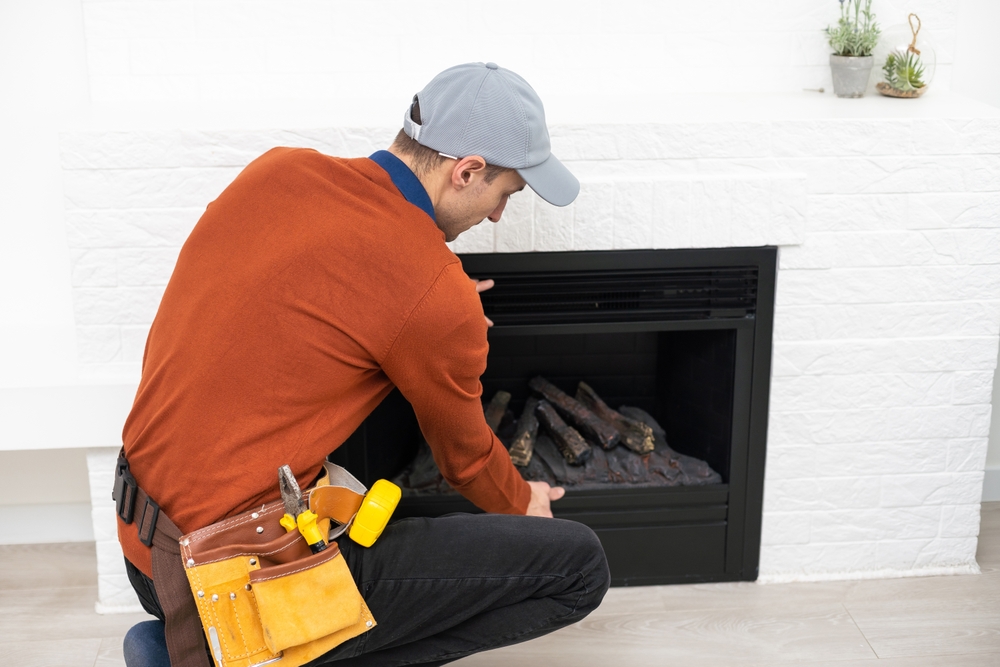
There’s a particular night every fall when a fire suddenly sounds like the best idea in the world, and you reach for the matches without a thought for the flue overhead. That night is usually what sends people looking into chimney cleaning in Glenview, IL, for the first time, right around the season’s first frost. And the answer they get back tends to annoy them a little, because there isn’t a single tidy one. A flue that’s burned a handful of clean fires and one caked in last winter’s creosote simply isn’t the same job, and the invoice knows the difference. Toss in a steep roof, a cramped old fireplace, or a liner that needs attention, and your quote and your neighbor’s quote drift apart in a hurry. So before you book a thing and hand over a card, here’s what’s actually pushing that number up or down.
1. Why No Two Quotes Ever Match
Call three companies, and you’ll likely get three different prices, and that’s not anyone running a scam; it’s just the nature of chimneys. A short, straight flue on a one-story ranch is a quick, low-drama afternoon, while a tall brick stack on a steep, slick roof means harnesses, longer ladders, and a crew that moves slowly so nobody ends up sliding off. The intensity of your burning habits is just as critical; a flue used for a few casual weekend fires annually is a far cry from one that roars nearly every night from late November through the end of March. And then there’s the wildcard, whatever the sweep finds once they’re up there, because a cracked liner or a rusted-through cap turns a simple cleaning into a much longer conversation. Ninety dollars from one outfit and two hundred forty from the next usually just means they’re quietly looking at two completely different jobs.
2. The Ballpark Most People Actually Want
Nobody likes calling around blind, so here’s a real number worth holding onto before you dial. For a typical fireplace that gets steady but sensible use, the chimney cleaning cost for residential homes tends to sit in the low-to-mid hundreds, sliding up or down with how much buildup there is and how easy the roof is to reach. A plain sweep and inspection on a flue that has been kept up lands near the bottom of that range, the comfortable end most people hope for. Heavy creosote, a squirrel’s abandoned nest, or a flue that’s been ignored for five winters straight will push it higher, and sometimes a fair bit higher than people expect. One small question saves real money here: ask whether the inspection is folded into the quoted price or billed separately, because that single detail explains a surprising amount of the spread between one company and the next.
3. What’s Really Going On Up There
Most folks picture a sweep as one long brush shoved down the chimney, and honestly, that’s maybe a third of the actual work. Before anything else, the technician tapes off the hearth and sets up a vacuum, because soot has a real gift for finding pale carpet and white upholstery. Then come the rods and brushes, sized to your exact flue, working the creosote loose, that dark, sticky residue that quietly turns a cozy fire into a chimney fire when it’s left to bake on year after year. Along the way, they’re also eyeing the damper, the cap, the crown, and the liner, hunting for the small cracks that get genuinely expensive the longer they go unnoticed. You should walk away from the visit actually knowing the true state of your chimney, top to bottom, not just admiring a freshly swept firebox.
4. Sorting It Out Before the Cold Lands
Book this in the fall, and you’re ahead of the rush; wait for the first freeze, and you’re in line behind half the neighborhood. A decent chimney cleaning before winter checklist is short and worth taping to the fridge: schedule the sweep early, clear the stuff piled around the hearth, press the test buttons on your smoke and carbon monoxide alarms, and round up properly seasoned wood instead of the green logs that smoke and gunk up the flue. While you’re at it, glance up at the cap, since something furry may have claimed it as summer real estate. Pick a dry day for the appointment, because a wet roof is nobody’s friend. Knock all of this out in October, and the first cold weekend feels easy instead of frantic.
5. What Skipping a Year Quietly Costs
Putting it off feels free, and for a while it genuinely seems that way, which is exactly the trap. The real trouble is creosote, layering up unseen along the inside of the flue, slowly becoming the precise thing a chimney fire feeds on. A blocked or cracked flue brings a quieter danger too, since it can nudge carbon monoxide back down into your living room instead of letting it slip safely up and out. Then there’s the insurance headache nobody pictures until it’s suddenly real: file a claim after a fire with no record of maintenance, and the whole conversation turns uncomfortable in a hurry. Measured against a sweep that runs only a couple of hundred dollars, a quietly skipped year ends up looking like a genuinely poor trade, the kind you regret on a cold night.
Conclusion
Once you can see what’s behind it, the price stops feeling like a mystery and starts feeling reasonable. Flue height, roof access, how hard the fireplace gets pushed, and whatever the sweep turns up once inside, that’s the entire formula, nothing tucked away in the fine print. For most homes, it stays a small, steady yearly cost, and the jobs that balloon into something painful are almost always the ones a homeowner kept quietly putting off. The honest advice fits in a single breath: book it in the fall, get an itemized quote, and treat the inspection itself as the part you’re genuinely paying for. Handle it that way, and the first fire of the season is simply a good night in, with none of the nagging worry in the back of your mind.
“A clean flue is a quiet kind of peace of mind. Call Sai Air Duct at 224-256-0071, we’ll sweep it, inspect it, and tell you the honest price first.”
FAQs
Q1: When is the best time to get a chimney cleaned in Glenview, IL?
Early fall is the sweet spot for Glenview homeowners, before the heating season starts and before every sweep in town is booked solid. Aim for September or October, and you walk into winter ready instead of waiting on a callback during the first cold snap.
Q2: How do I know if my chimney actually needs cleaning?
A strong campfire smell, dark flakes dropping into the firebox, or smoke that lingers in the room are all signs the flue is overdue. Plenty of older Glenview homes also build creosote faster than owners expect, so when in doubt, a quick inspection settles it.
Q3: Is a chimney cleaning and a chimney inspection the same thing?
Not quite, though good companies usually handle both in one visit. The cleaning clears out the soot and creosote, while the inspection checks the liner, cap, and crown for damage, and that’s the part that catches a safety problem before it turns into a real one.