



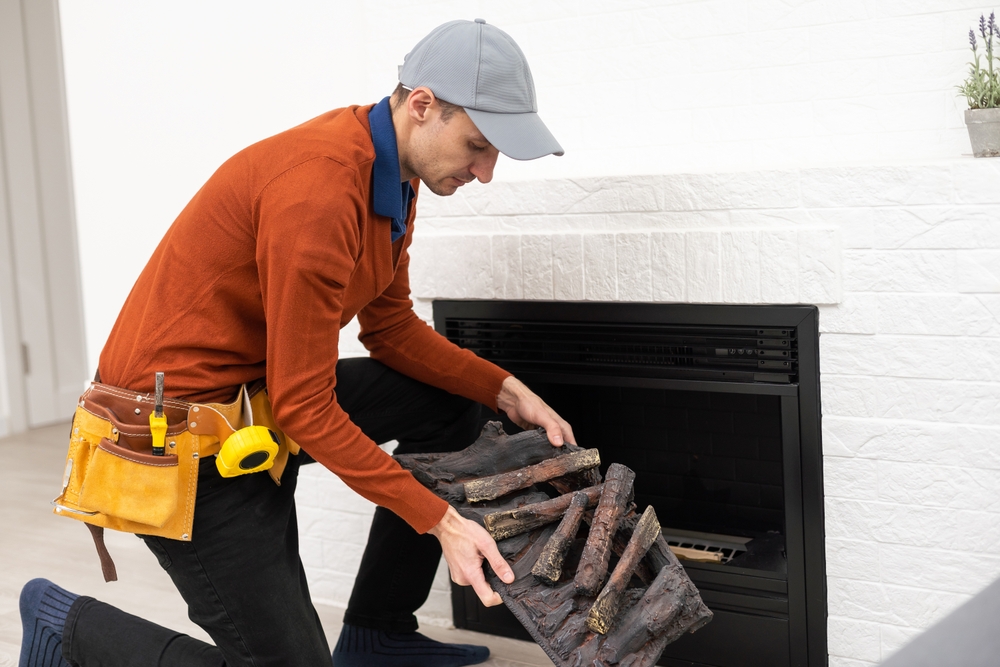
When autumn temperatures drop across the Fox Valley region, homeowners eagerly ignite their gas heating units to combat the sudden chill. Scheduling professional Fireplace Cleaning in Aurora, IL resolves the most common combustion issues before they compromise your interior air quality. Unlike traditional wood-burning hearths, modern gas models operate within partially sealed environments featuring highly sensitive internal components. Dust, animal hair, and airborne particulate matter constantly circulate through your ductwork and settle on these metal parts during dormant summer months. When you introduce a high-temperature flame to this settled debris, the resulting chemical reaction instantly releases volatile organic compounds into your living space. Diagnosing the exact scent allows you to identify which specific mechanical component requires immediate attention so you can enjoy a safe winter.
1. Identifying The Smell Of Combusting Household Particulates
Gas units remain dormant for over six months of the year, acting as passive collection points for airborne debris. Floating particulate matter, including shed skin cells, dog hair, and microscopic synthetic carpet fibers, heavily coats the ceramic logs and the stainless steel burner element. Upon initial ignition, appliance temperatures rapidly spike to hundreds of degrees, instantly incinerating this organic and synthetic buildup. This flash burning process generates a distinct and acrid scent that typically mimics the smell of scorching plastic or melting wires. Performing thorough chimney soot accumulation removal eliminates this residual organic matter before it has a chance to vaporize into your breathing zone. While a brief seasonal burn off phase is mechanically normal, keeping nearby windows open for the first operational hour helps vent the temporary fumes outside safely.
2. Diagnosing Musty Odors From Hidden Moisture Intrusion
A continuous scent resembling damp earth or wet cardboard indicates that water has successfully breached your exterior venting infrastructure. Rainwater penetrates compromised brick masonry, cracked chimney crowns, or poorly sealed roof flashing during heavy spring storms. This stagnant moisture interacts with residual carbon deposits in the dark, creating an ideal microclimate for aggressive mold and mildew colonization. When the burner ignites, the intense radiant heat vaporizes this stagnant water, pushing mold spores and a heavy sour smell directly through the glass faceplate into your room. Scheduling an annual gas log fireplace safety check helps pinpoint these structural leaks before extensive fungal growth takes over the internal venting cavity. Eliminating this specific scent requires sealing the external structural leak before addressing the internal biological growth.
3. Recognizing The Critical Warning Signs Of Uncombusted Fuel
Natural gas and liquid propane lack any inherent odor, so utility providers inject mercaptan to create a highly noticeable rotten egg smell. If you detect this potent scent while the appliance is running, it indicates an incomplete combustion cycle where raw fuel is escaping the combustion chamber. This happens when the burner ports clog with debris or if the main gas valve fails to regulate the incoming pressure correctly. Proper maintenance, including cleaning fireplace flue and hearth, prevents debris from blocking these critical fuel delivery pathways and ensures optimal combustion. You must immediately shut off the main supply valve, extinguish any open flames, and open all exterior doors to dissipate the highly volatile gas concentration. Operating the unit under these conditions risks severe carbon monoxide exposure or a catastrophic ignition event.
4. Professional Maintenance Protocols For Mechanical Exhaust Failures
Modern heating systems require exact exhaust calibration to safely expel carbon monoxide and nitrogen dioxide away from your living quarters. Comprehensive maintenance involves measuring the static pressure within the exhaust channels to verify that thermal drafts are successfully pulling toxic byproducts upward into the outside atmosphere. If an animal nest, heavy leaf buildup, or a collapsed damper restricts this vertical airflow, downdrafts will force toxic fumes and soot smells straight back into your breathing zone. Relying on certified chimney sweep contractors guarantees that trained technicians accurately calibrate the pilot assembly and clear all blocked exhaust pathways. Calibrating these delicate mechanisms ensures the entire system meets strict residential building codes and operates seamlessly without pushing hazardous exhaust gases back into your family room.
5. Curing Factory Paint And Industrial Sealants
Homeowners who recently installed a brand new insert or replaced internal metallic components will frequently experience a sharp chemical odor during the first few uses. Manufacturers coat the metal fireboxes with industrial-grade heat-resistant paint and thick binding sealants requiring extreme thermal exposure to harden properly. As the flames hit these fresh coatings for the very first time, the paint releases heavily scented curing gases into the immediate vicinity of your living room. This essential curing process typically requires four to six hours of continuous burning at the absolute highest temperature setting to completely bake the finish onto the bare steel. Once the factory oils and paints fully polymerize under the heat, the appliance will stop emitting this distinct manufacturing odor during all future operations.
Maintaining a properly functioning gas heating unit requires more than just flipping a wall switch when the temperature drops. Identifying the specific characteristics of an odor allows you to distinguish between a normal seasonal dust burn-off and a severe mechanical hazard. Addressing exterior structural leaks, cleaning burner ports, and validating exhaust drafts permanently eliminates these intrusive scents. A thoroughly inspected and clean appliance delivers safe, reliable, and completely odorless radiant heat for your entire property.
“Protect your indoor air quality from hazardous winter odors! Call us at SAI Air Duct at 224-256-0071 for expert soot removal and secure your family’s safety today!”
FAQs
1. What causes a gas appliance to smell like chemicals in Aurora, Illinois?
If your heating unit in Aurora, Illinois, emits a chemical odor, it is likely pulling in fumes from indoor painting or cleaning products. Natural draft systems use room air for combustion, altering flame chemistry. Ensuring proper room ventilation quickly resolves this issue without requiring major mechanical repairs.
2. How can I stop my chimney from smelling like mildew in Aurora, IL?
Musty odors in an Aurora, IL, heating system stem from rainwater leaking through damaged exterior brickwork or rusted vent caps. The trapped water breeds mold inside the dark flue, which vaporizes into a foul smell when the heater operates. Fixing the exterior roof flashing and extracting the internal moisture permanently stops the smell.
3. Is a sulfur smell from my heating unit dangerous in Aurora, Illinois?
Yes, a sulfur or rotten egg scent indicates a highly dangerous raw fuel leak within your Aurora, Illinois, property. This occurs when the control valve malfunctions or the burner ports fail to ignite the incoming fuel mixture completely. You must evacuate the area immediately and contact your local utility provider to prevent a severe hazard.