



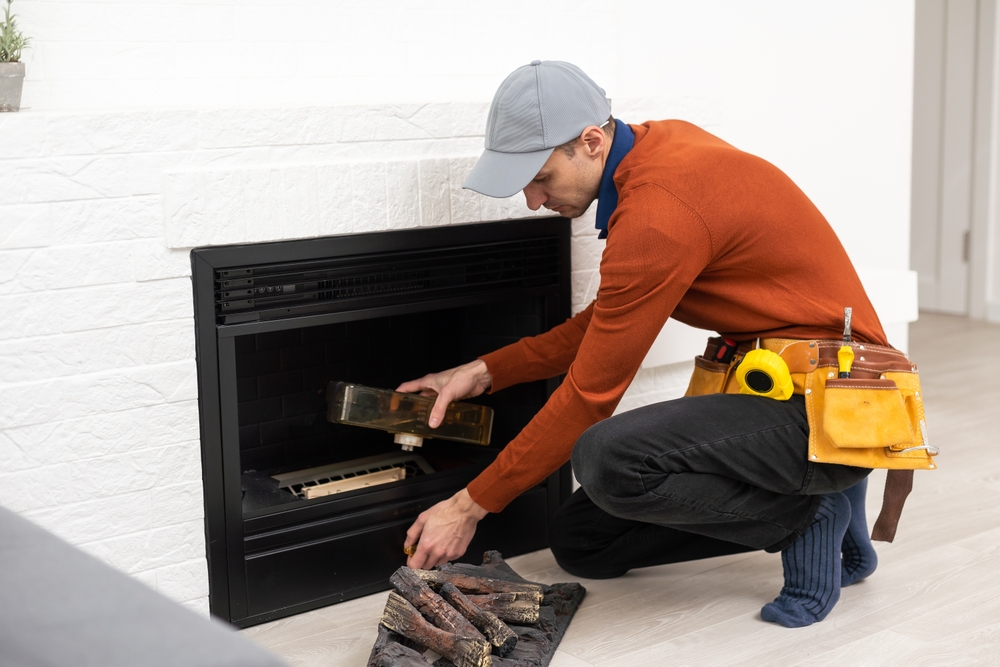
Gathering around a fireplace should provide warmth and comfort, but backdrafting smoke can ruin the experience and contaminate indoor air. Professional Chimney Cleaning in Glenview, IL, is essential to resolve these airflow issues and safeguard your home. When the chimney’s complex venting system fails, toxic combustion gases like carbon monoxide and particulate matter enter your living area rather than exiting through the flue. Identifying and fixing the underlying cause of exhaust failure restores essential ventilation and ensures overall household safety.
1. The Danger Of Excessive Inner Wall Residue
Every single time you burn natural firewood, dark sticky tar naturally coats the interior masonry all the way up to the roofline. This thick substance dramatically narrows the vertical passage and physically restricts the total amount of smoke that can escape your property safely. Performing regular clearing of creosote buildup in flue channels remains the most effective method for restoring proper draft dynamics before the freezing winter weather truly begins. Once this thick residue severely constricts the passageway, the rising gases hit a bottleneck and forcefully push right back down into your downstairs sitting area. Addressing this sticky accumulation quickly also prevents the horrifying possibility of a catastrophic internal fire igniting silently inside your home walls.
2. Animal Debris Blocking The Vertical Escape Route
During the dormant spring and summer months, local neighborhood wildlife constantly seeks out warm and heavily sheltered nesting spots to raise their young. Small creatures frequently drop large collections of twigs, dry leaves, and soft moss directly down into the dark cavity from the exposed roof level. Safely removing bird nests from chimney pipe structures completely clears out these dangerous organic blockages that physically trap hazardous fumes inside the shaft. When you ignite your first autumn log, the resulting smoke hits this dense canopy of debris and immediately rebounds straight into your downstairs entertaining space. Keeping the top opening securely capped with a sturdy metal screen prevents curious critters from building homes inside your primary ventilation system ever again.
3. Dealing With Cold Air Plugs In The System
Frigid outdoor temperatures can easily force heavy cold air to sink directly down your exterior venting column when the hearth remains completely inactive. This invisible block of freezing density sits right above your hearth and acts exactly like a solid brick wall against the ascending warmth. Successfully improving fireplace ventilation airflow often requires holding a lit piece of rolled newspaper near the top of the firebox to gently warm the upper chamber. This simple preheating technique successfully reverses the intense downdraft and encourages the freshly generated heat to rise naturally toward the sky. Bypassing that initial freezing plug ensures your newly lit kindling burns cleanly without violently puffing grey toxic clouds directly into your face.
4. Modern Tightly Sealed Home Construction Issues
Energy-efficient houses in modern residential neighborhoods do an absolutely incredible job of trapping conditioned air inside for maximum personal comfort. Unfortunately, this phenomenal structural insulation inadvertently creates a strong vacuum effect where the internal pressure constantly fights against your rising exhaust gases. Hiring a certified local chimney sweep service helps property owners properly evaluate these complex negative pressure problems without relying on amateur guesswork or dangerous assumptions. Sometimes cracking a nearby window just slightly provides enough fresh oxygen to completely equalize the room pressure and push the sluggish exhaust upward. Balancing the environmental pressure completely stops your bathroom or kitchen exhaust fans from actively sucking the toxic fumes right out of the firebox.
5. Burning Unseasoned Or Extremely Wet Firewood
The specific quality of the timber you purchase directly determines the overall amount of indoor pollution generated during the combustion process. Freshly cut logs contain massive amounts of internal moisture that physically prevents a hot and highly efficient burn from ever taking place. The hissing water trapped deeply inside the wood drastically lowers the overall core temperature and continuously creates billows of excessively heavy smog. Since this heavy exhaust completely lacks the essential thermal energy required to rise swiftly, it simply rolls forward into your living space. You must only burn properly aged and completely dried timber to guarantee a wonderfully clean and deeply comforting winter blaze that keeps your family warm.
A deeply relaxing evening by the hearth should never suddenly conclude with your family coughing endlessly through a foggy and contaminated room. Understanding the structural and environmental factors causing your downdraft empowers you to implement the correct structural fix without any delay. Ignoring these massive warning signs only exposes your cherished loved ones to dangerous invisible toxins and highly unpredictable residential fire risks. Taking proactive maintenance steps early guarantees that every single fire you build delivers soothing warmth rather than endless frustration and panic. Your residential property absolutely deserves a perfectly functioning exhaust system that maintains pristine indoor atmospheric quality throughout the entire freezing winter season.
“Stop breathing toxic smoke! Call us at SAI Air Duct at 224-256-0071 today. We expertly restore safety and guarantee completely pure indoor air for your home now!”
FAQs
1. Why does my fireplace push smoke into the house in Glenview, Illinois?
When heavy combustible residue builds up inside your vertical venting system, the heavily restricted space prevents rising exhaust from escaping your property. Additionally, freezing weather frequently creates a dense plug of sinking air that physically blocks the rising heat from exiting safely. Fixing this extremely common issue requires equalizing your indoor pressure and ensuring the internal pathway remains totally clear of sticky tar.
2. How do I stop a downdraft in my Glenview, IL, home?
You can easily reverse a minor temperature downdraft by holding a burning piece of newspaper high up inside the open damper for sixty full seconds. This brilliantly warms the frozen upper cavity and establishes a proper upward thermal current before you ignite the heavy timber logs. If the problem constantly persists despite your best efforts, you might urgently need a professional cap installed on your roof.
3. Who can fix smoking fireplace issues near Glenview, IL?
Only licensed residential venting professionals possess the highly advanced diagnostic tools needed to precisely identify complex airflow restrictions and hidden blockages safely. These experienced local specialists will evaluate your structural draft dynamics and completely scrub away all dangerous residue from your interior masonry walls.