



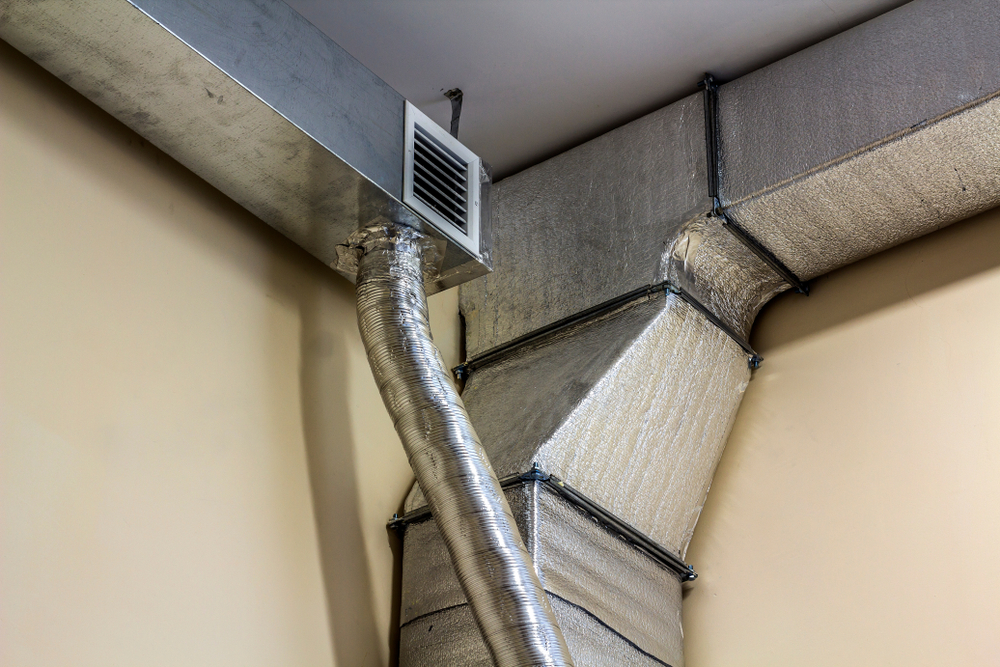
You spend countless hours wiping down your beautiful tables, sweeping the floors, and organizing your sanctuary to create a spotless environment. Finding out that air duct cleaning in Glenview, IL, is directly linked to this frustrating phenomenon changes how you approach chores forever. It feels incredibly defeating to watch a fresh layer of grey powder settle across your surfaces just hours after finishing a deep scrub. Homeowners frequently blame their feather dusters or assume outside pollen is simply blowing through open windows during breezy autumn afternoons. In reality, the complex mechanical breathing system hidden behind your walls acts as the primary distribution network for indoor pollutants. Whatever microscopic particles enter your central climate pathways will eventually blast right back into your meticulously organized living quarters. Taking back control requires looking beyond surface-level sanitation and examining the structural integrity of your ventilation matrix.
1. The Endless Loop Of Airborne Contaminants
Most standard climate networks operate on a continuous closed loop that recycles the exact same oxygen throughout your entire property daily. When you sweep your floors or fluff your couch cushions, millions of microscopic skin cells and pet dander flakes launch into the air. If the mechanical distribution network is heavily coated in grime, it consistently blows recirculated dust in home HVAC ducts straight onto your furniture. This frustrating cycle explains why your expensive tables develop a hazy film mere moments after you wipe them down completely. Breaking this dirty cycle demands a comprehensive approach that removes the deeply embedded debris hiding entirely out of your sight.
2. Why Partial Maintenance Fails Completely
Many budget-focused contractors rush jobs, vacuum only the supply registers, and ignore the heavily soiled return trunks. Leaving the main intake tunnels packed with thick lint guarantees that the primary blower motor will immediately pull that dirt back. Utilizing a powerful truck-mounted vacuum duct cleaning process remains the only reliable method for safely extracting compacted sludge from deep within. This highly advanced equipment generates massive negative pressure to forcefully pull decades of accumulated filth outside without contaminating your freshly vacuumed carpets. Paying for a half-finished job simply stirs up the dormant particles and makes your indoor pollution problems significantly worse than before.
3. The Importance Of Proper Intake Maintenance
The large intake registers located in your hallways act as giant vacuums that constantly suck floating household debris right into the metal channels. Homeowners frequently overlook cleaning return air filter grilles during their weekly chores, allowing a massive thick layer of fuzzy lint to accumulate. Once the blower fan activates, the immense suction force pulls that collected debris right through the cracks and disperses it indoors. Keeping these external covers completely spotless prevents massive clumps of hair and dirt from constantly feeding the internal contamination loop. Wiping these slatted covers down with a damp cloth every weekend drastically reduces the total volume of debris circulating through your space.
4. How Hidden Structural Leaks Pull In Attic Dirt
Modern climate control pathways frequently run through unfinished attics, damp basements, or dark wall cavities filled with loose construction debris. If the metal joints connecting these tunnels loosen, negative pressure can instantly pull highly toxic exterior dirt into your airstream. Hiring a licensed local air duct sweep allows you to accurately identify and permanently seal these invisible structural gaps hiding behind your drywall. Once a professional seals the leaking connections, your mechanical fan stops sucking up raw attic dirt and blowing it over your room. Stopping this structural infiltration instantly improves your indoor air quality and stops the endless accumulation of heavy gray powder on your shelves.
5. Upgrading Your Filtration Defense Mechanisms
Even the cleanest mechanical ventilation systems struggle to capture microscopic particulate matter if you rely on cheap, paper-thin fiberglass barriers. Standard thin filters only exist to protect the internal furnace blower from large debris, allowing ultra-fine pollen to pass through freely. Upgrading to high-efficiency pleated filtration screens creates an impenetrable barrier that successfully traps microscopic intruders before they enter the distribution tunnels. You must replace these dense filters every single month to prevent extreme airflow restriction from straining your expensive cooling and heating equipment. Combining superior filtration with regular deep sanitation ensures your freshly polished household surfaces remain completely pristine for several consecutive days.
Conclusion: Watching your hard work disappear under a fresh blanket of debris feels absolutely maddening for any dedicated homeowner trying to maintain a sanctuary. Acknowledging that your hidden mechanical ventilation network is the true culprit empowers you to stop wasting endless hours on ineffective surface wiping. Investing in a comprehensive professional sanitation service entirely eliminates the deeply entrenched grime that constantly plagues your freshly polished wooden surfaces. You deserve to relax comfortably in a completely pristine environment without constantly worrying about invisible indoor pollution ruining your expensive interior decor. Taking decisive action today transforms your stagnant indoor atmosphere into a wonderfully refreshing haven that actually stays brilliantly clean all year.
“Tired of dusting? Call our team at SAI Air Duct at 224-256-0071 today! We expertly remove hidden ventilation debris to keep your home brilliantly clean and fresh!”
FAQs
1. Why does my house in Glenview, Illinois, get dusty so fast?
In Glenview, Illinois, rapid dust accumulation occurs when your central cooling system continuously circulates trapped debris throughout the house. Leaky ductwork pulling dirt from unfinished attics, skipped return vent maintenance, and using low-quality fiberglass filters all contribute heavily to this endless cycle. Understanding these hidden mechanical issues is the absolute first step toward achieving a truly pristine living space that requires far less manual scrubbing.
2. How often should I schedule residential ventilation maintenance in Glenview, IL?
Most residential properties in Glenview, IL, benefit significantly from a comprehensive professional extraction every three to five years to maintain pristine environmental purity. Homes with multiple furry pets, recent heavy remodeling projects, or family members suffering from severe asthma might require much more frequent attention safely. Establishing a consistent service routine guarantees that your expensive wooden furniture remains completely free from that annoying gray powder all year long.
3. Can professional clearing reduce airborne particles in my Glenview, Illinois, home?
Yes, a thorough professional extraction completely removes the massive hidden reservoir of skin cells, pet dander, and general debris trapped within metal pathways. By eliminating this heavy internal buildup, your ventilation system stops blowing thick gray powder onto your furniture, allowing your Glenview, Illinois, home to stay cleaner. You will immediately notice a profound difference in your daily air quality and a massive reduction in the time you spend wiping tables.