


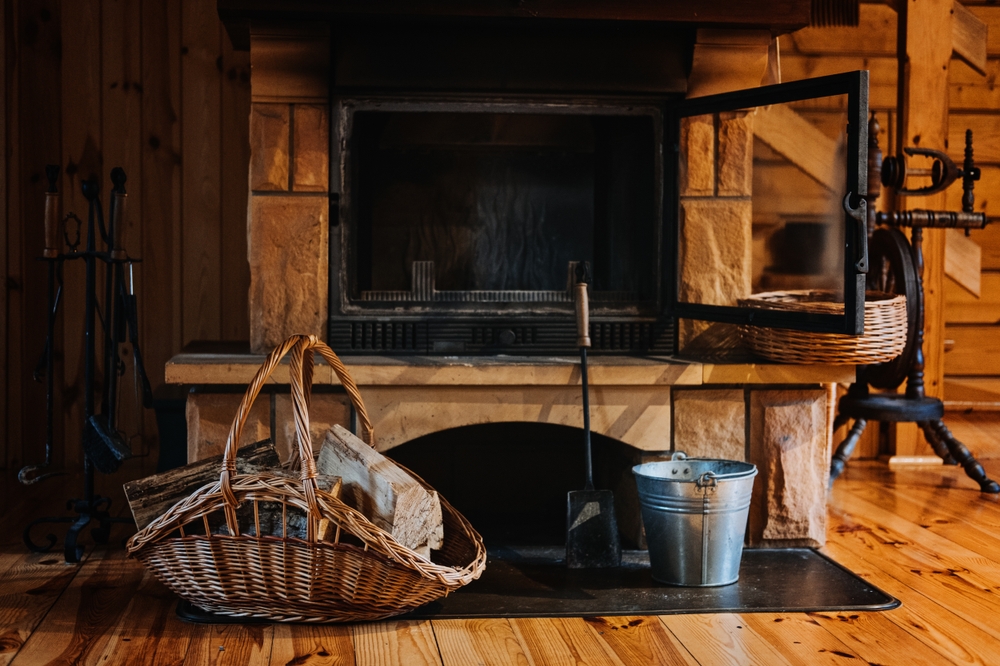
A fireplace looks like one simple thing: a box where you build a fire. In reality, it’s a small system of parts, and each one has a job:
- The firebox holds the heat.
- The damper controls the draft.
- The flue carries smoke up and out.
- The crown and cap keep Chicago weather from getting in.
That’s why a real cleaning is more than sweeping out ash. In Glenview, it also means knowing what kind of fireplace you have, because the village has two very different housing eras. About a third of homes went up in the 1950s and 1960s, many with traditional masonry fireplaces and clay-lined chimneys. Another big wave came in the 2000s, including much of The Glen, where factory-built and gas fireplaces are far more common. The parts we check overlap, but the problems we find often don’t.
Glenview is home base for SAI Air Duct, and fall is when our phone fills with “we haven’t used it in years” calls. Here’s every part a professional should check during fireplace cleaning in Glenview, IL, from the hearth floor to the chimney top. Call 224-256-0071.
Key Takeaways
- A professional cleaning should cover the firebox, damper, smoke chamber, flue, crown and cap, not just the ash pit.
- Creosote buildup in the flue is the main fire risk, and failure to clean is the leading factor in home heating fires.
- Masonry fireplaces in older Glenview homes face freeze-thaw damage to mortar, bricks and the chimney crown.
- Gas and factory-built fireplaces need checks too, especially for venting and carbon monoxide.
- A cleaning should end with a clear report of what was found, not just a clean firebox.
Why Does Each Part of a Fireplace Matter?
Each part of a fireplace either contains heat or moves smoke, so a problem anywhere can push heat, sparks or gases where they don’t belong. A cracked firebox lets heat reach the framing behind it, and a blocked flue can push carbon monoxide back into the house.
Portland Fire & Rescue reports that home heating equipment caused an average of more than 48,000 fires a year from 2014 to 2018. Failure to clean was the leading factor, and most of those fires involved chimneys. That’s why it recommends a professional inspection before every heating season.
What Gets Checked, Part by Part?
A thorough fireplace cleaning works from the room upward. Here’s what each part does, what we look for and why it matters.
| Component | What it does | What we look for | Why it matters |
|---|---|---|---|
| Hearth and hearth extension | Protects the floor in front of the fire | Cracks, loose tiles, gaps at the floor | Embers can reach flooring that can burn |
| Firebox | Holds the fire | Cracked firebrick, missing mortar, warped panels in factory-built units | Heat can reach the framing behind the wall |
| Damper | Opens for draft, closes to seal | Rust, warping, stuck handle, poor seal | Smoke backs up, or heat escapes when it’s closed |
| Smoke chamber | Funnels smoke into the flue | Creosote buildup, rough or cracked surfaces | Heavy creosote here is a common place for fires to start |
| Flue liner | Carries smoke up and out | Creosote, cracks, gaps, missing tiles | The main fire and carbon monoxide risk |
| Chimney crown | Seals the top of the masonry | Cracks, crumbling concrete | Water gets into the chimney and freezes |
| Chimney cap | Keeps out rain, animals and debris | Missing, rusted or clogged mesh | Animals and water get in, and the draft suffers |
| Exterior masonry and flashing | The chimney’s outer shell and its seal at the roof | Flaking brick, loose mortar, gaps at the roof | Leaks, rot and structural damage |
On gas fireplaces, the list shifts to the burner, logs, glass, pilot assembly and the vent outlet. The goal is the same: heat stays in the firebox and exhaust leaves the house.
What Is Creosote, and How Is It Removed?
Creosote is the tar-like residue that forms when wood smoke cools and condenses inside the flue. It starts as light, flaky soot and can harden into a crusty layer. In its worst form, it becomes a shiny, glazed coating that’s highly flammable and hard to remove.
We brush the flue and smoke chamber with tools sized for your chimney while a vacuum keeps soot out of the room. Glazed creosote can need special tools or treatments, and we’ll tell you if that’s what we find. Burning dry, seasoned wood slows the buildup.
How Do Chicago Winters Affect Glenview Chimneys?
Chicago-area winters are hard on masonry chimneys because of the freeze-thaw cycle. Water soaks into small cracks in the crown, mortar or brick. It freezes and expands overnight, then thaws during the day, and each cycle widens the cracks a little more.
In Glenview’s older homes, that shows up as crumbling crowns, loose mortar near the roofline, and flaking brick. Water that gets past the crown can rust the damper and damage the flue liner. That’s why chimney and fireplace cleaning in Glenview, IL should always include a look at the outside of the chimney, not just the inside.
What Should You Watch For Between Professional Cleanings?
Your fireplace gives warning signs when a part needs attention. Call for a check if you notice:
- Smoke drifting into the room instead of going up the chimney.
- A strong campfire smell in the house when the fireplace isn’t in use, especially on humid days.
- Black flakes or crumbs falling onto the firebox floor.
- A damper that sticks, squeaks or won’t fully close.
- White staining on outside brick (called efflorescence), which means moisture is moving through the masonry.
Do Gas Fireplaces Need Cleaning Too?
Yes. Gas fireplaces don’t produce creosote, but they still need regular fireplace maintenance in Glenview, IL:
- Burners collect dust and lint.
- Ceramic logs shift and block the flames.
- Glass fronts build up a white film.
- The outside vent can get blocked by nests or debris.
The bigger concern with gas is carbon monoxide. If the vent is blocked or the burner isn’t burning cleanly, exhaust can spill into the room. The U.S. Consumer Product Safety Commission reports that more than 200 people die each year from accidental CO poisoning linked to consumer products. It recommends CO alarms on every level of the home and outside sleeping areas.
What Should Your Cleaning Report Include?
After residential fireplace cleaning in Glenview, IL, you should know exactly what condition your fireplace is in. A good report covers:
- What was cleaned.
- How much creosote was removed.
- The condition of each major part.
- Anything that needs repair now versus later.
Photos from inside the flue help you see what the technician saw.
“Ensure your home is safe and warm this winter. Book your Glenview fireplace cleaning today—call SAI Air Duct at 224-256-0071!”
FAQs
1. How often should a fireplace be cleaned in Glenview?
Most fire safety organizations recommend having your chimney inspected before every heating season and cleaned as needed. For homes that burn wood regularly, that usually means a cleaning once a year. If you only light a fire now and then, you may not need a full cleaning every year. An annual inspection still catches nests, water damage and freeze-thaw cracks.
2. We just bought a house and don’t know when the fireplace was last used. Is it safe?
Don’t light a fire until it’s been inspected. Unused chimneys often collect nests, leaves and fallen mortar on the smoke shelf, the ledge just above the damper, and older dampers can be rusted shut. A cleaning and inspection tells you whether the flue is clear, the liner is intact and the fireplace is safe to use.
3. Why does my fireplace smell even when I’m not using it?
A campfire smell in summer or on humid days usually comes from creosote in the flue. Changes in air pressure can pull that odor down the chimney into the house. Cleaning removes most of the residue. A damper that seals properly, or one mounted at the top of the chimney, helps keep the smell out.
4. Can fireplace cleaning services in Glenview, IL fix a smoky fireplace?
Often, yes. A cleaning addresses most of the common reasons smoke backs into the room: a blocked flue, a partly closed damper, heavy creosote or a cap clogged with debris. If the problem continues after cleaning, the cause may be the chimney’s height, the size of the fireplace opening or the house pulling air the wrong way.
5. How long does a professional fireplace cleaning take?
Most cleanings take about one to two hours. Heavy creosote or tricky roof access can add time. Expect a covered work area and a vacuum running throughout.
