



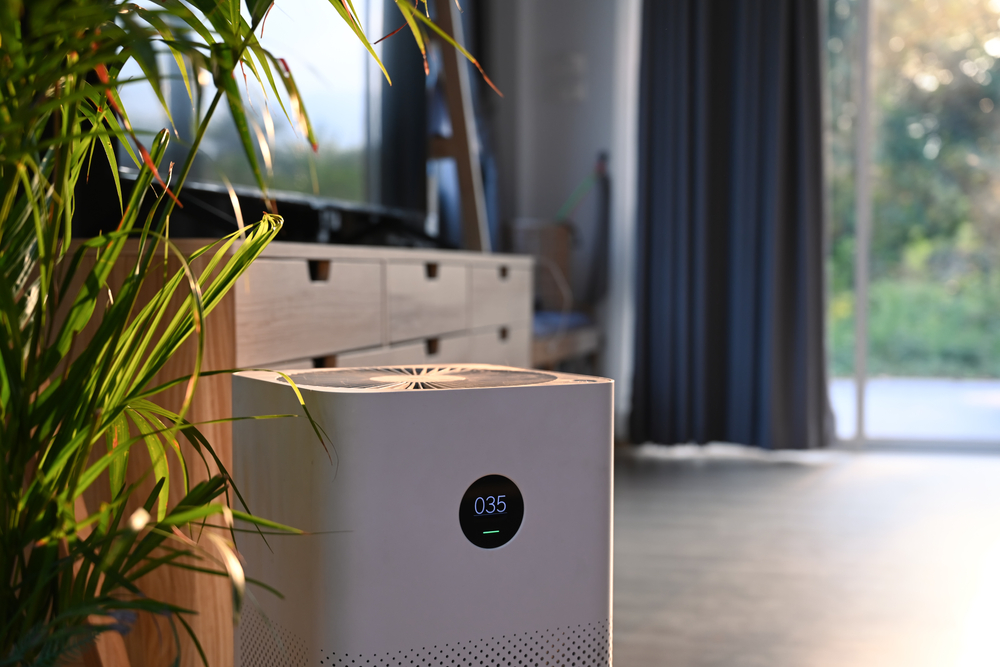
You walk in the door, and something smells off. Not strongly, just a stale note that wasn’t there this morning. You open a window, light a candle, and move on. The trouble is that masking a smell doesn’t remove what’s causing it, and most of what fouls the air inside a home is invisible anyway. That gap between what you can smell and what you’re actually breathing is why indoor air quality in Glenview, IL, deserves more than an air freshener. The good news: most household smells trace back to a handful of fixable sources, and clearing them usually improves the air in ways you can feel. Below, you’ll find where those smells come from, what actually removes them, and when the problem is bigger than a spray can.
Key Highlights
- Masking a smell hides the source; real improvement means removing it and cleaning the air that carries it.
- Cooking grease, pets, trapped moisture, and dirty ductwork are the most common household smell sources.
- Ventilation, humidity control, better filtration, and clean ducts do more than any plug-in ever will.
- Persistent musty or burning smells can signal mold or an HVAC problem worth a professional look.
Why Your Home Holds On to Smells
A house is a mostly sealed box, especially through a Glenview winter when the windows stay shut for months. Air gets recirculated through the same ducts and the same filter, over and over. Every smell you generate, from last night’s salmon to the dog’s favorite spot on the rug, gets picked up, pushed through the system, and redeposited around the house.
This matters more than most people think. The EPA notes that Americans spend about 90 percent of their time indoors, and that indoor pollutant levels are often two to five times higher than outdoor levels. The air you breathe at home is the air you breathe most. A lingering smell is often the first clue that something in that air needs attention.
Where Household Smells Actually Come From
Track a smell to its source, and the fix gets obvious. Most come from one of these:
- Cooking residue. Grease and smoke settle on surfaces and get pulled into the return vents, where they build up and recirculate for days.
- Pets. Dander, fur, and the oils in a pet bed work their way into carpet, upholstery, and the ductwork.
- Trapped moisture. Damp basements, slow leaks, and humid bathrooms feed mildew, which gives off that unmistakable musty smell.
- Dirty ductwork. Dust, pollen, and debris collect inside the ducts and coat the system. Every cycle blows a little of it back into the rooms.
- Household chemicals. Cleaners, paint, and new furniture release VOCs (volatile organic compounds, the gases that give off that “new” or chemical smell).
- Drains and garbage. Dry P-traps and the kitchen bin are small sources that punch above their weight.
Several of these feed the same loop: the smell enters the air, the HVAC system spreads it, and the filter can’t catch it. That’s why spot-cleaning one room rarely solves a whole-home smell.
What Actually Removes Smells and Cleans the Air
Freshening the air and improving it are two different jobs. These steps do the second. Good indoor air quality services in Glenview, IL usually combine a few of them:
- Remove the source first. Clean the grease off the range hood, wash the pet bedding, fix the leak feeding the mildew. Nothing else works until the source is gone.
- Ventilate. Run bathroom and kitchen exhaust fans, and crack windows on milder days to flush stale air and bring in fresh.
- Control humidity. Keeping indoor humidity around 30 to 50 percent starves mildew of what it needs. A dehumidifier earns its keep in a damp basement.
- Upgrade the filter. A higher-MERV filter traps finer particles that a cheap fiberglass one lets pass. Change it every month or two so it keeps pulling its weight.
- Clean the ducts. If the ductwork is coated, a professional air duct cleaning removes the reservoir of dust and residue that keeps reseeding the air.
- Add targeted treatment. For smells that cling after a cleaning, a duct sanitizing treatment addresses microbial growth the vacuum can’t reach.
Done together, these do far more for air quality improvement in Glenview, IL than any scented product, which only adds more compounds to the air you’re trying to clean.
The Ductwork Connection Most People Miss
Here’s the part homeowners overlook. Your duct system touches every room, so whatever lives inside it ends up everywhere. Years of dust, pet dander, and the occasional dead draft of mildew collect on the duct walls and the blower. Then the system runs and sends a thin version of all of it back out the vents.
A dirty dryer vent plays a quieter role too, holding damp lint that can smell and, worse, pose a fire risk. Regular dryer vent cleaning keeps that line clear. When a smell survives every surface cleaning you can think of, the ducts are usually the reservoir feeding it, and cleaning them is what finally breaks the cycle.
When a Smell Means Something Bigger
Most household smells are a nuisance. A few are a warning. Treat these as reasons to bring in help:
- A musty smell that won’t quit, especially near vents or in the basement, can mean mold growing in the system or behind a wall.
- A burning or hot-plastic smell from the vents points to an electrical or mechanical fault in the HVAC unit. Shut the system off and call a pro.
- A sewer smell that keeps returning can signal a plumbing vent problem, not just a dry trap.
- A sharp chemical smell that lingers for weeks after new flooring or paint means VOCs aren’t clearing, and ventilation needs a serious look.
Professional indoor air quality testing in Glenview, IL can pin down what’s in the air when the source isn’t obvious, which turns guesswork into a plan.
Clear the Air for Good, Not Just for Tonight
The quickest win is also the most overlooked: stop masking and start removing. Candles and sprays trade one smell for another and leave the real source untouched. Pull the source, move the air, manage the moisture, and clean the system that connects it all, and the improvement lasts well past the evening.
SAI Air Duct has helped homeowners clear the air across the Glenview area for over 15 years. Book a duct cleaning or an indoor air quality assessment and deal with the source instead of the symptom.
“Tired of covering up a smell that keeps coming back? Clear it at the source. SAI Air Duct, serving Glenview and the surrounding suburbs with duct cleaning and indoor air quality service. Call 224-256-0071 or request a quote online today.”
FAQs
1. Do air fresheners actually improve home air quality in Glenview, IL?
No. They cover a smell with a stronger one and add more compounds to the air in the process. Some plug-ins and sprays release VOCs of their own. Removing the source and cleaning the air that carries it is the only approach that leaves a home genuinely fresher.
2. How often should I have my air ducts cleaned?
For most Glenview, IL homes, every three to five years is a sound rhythm, sooner if you have pets, recent renovations, allergies, or a persistent smell you can’t trace. Homes with heavy dust or a musty note often benefit from a shorter interval.
3. Can dirty ducts really cause smells throughout the house?
Yes. Ductwork connects every room, so residue, dust, and mildew inside it get blown out every vent when the system runs. That’s why a smell can seem to come from everywhere at once, and why surface cleaning alone rarely fixes it.
4. What humidity level helps control musty smells at home?
Aim to keep indoor humidity between 30 and 50 percent. Below that, air feels dry; above it, mildew and dust mites thrive and the musty smell returns. A basement dehumidifier and good bathroom ventilation do most of the work in a Glenview, IL home.
5. When should I call a professional about a smell I can’t fix?
If a musty, burning, or sewer smell keeps coming back after you’ve cleaned the obvious sources, it’s time. SAI Air Duct can inspect the system, test the air, and find the reservoir feeding the smell, be it the ducts, a moisture problem, or the HVAC unit itself.