



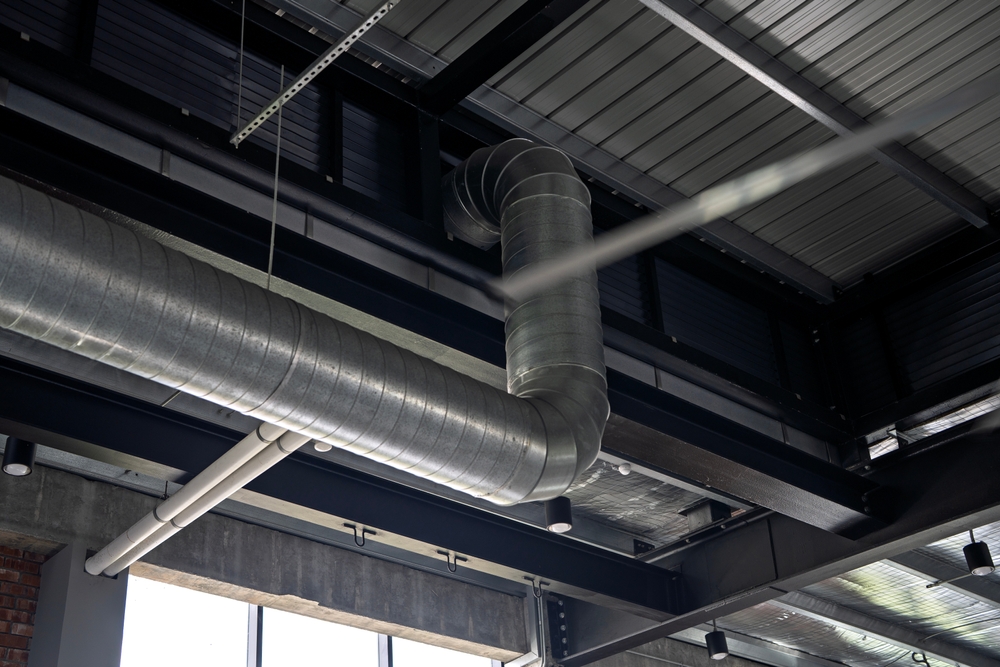
Late summer heat brings heavy moisture that forces residential air conditioners to run for hours. When cold airflow meets humid indoor air, hidden metal trunk lines can become damp inside. Trapped dust and organic particles then absorb moisture, creating conditions that can cause a musty smell from air vents in Aurora. That stale, earthy odor often signals moisture buildup inside the ductwork. Catching the problem early helps keep indoor air fresher and prevents excess moisture from affecting your cooling equipment.
1. High Indoor Moisture Triggers Heavy Return Intake Buildup
Your return vents sit under continuous negative pressure, pulling room air, airborne pet dander, and microscopic dust directly back toward your central air handler. During late August humidity spikes, that incoming air carries heavy moisture, turning dry surface dust into sticky layers along interior return drops.
- Airflow Obstruction: Caked intake grilles choke off system ventilation, forcing the blower motor to work harder.
- Intake Odors: Regular cleaning of damp cold air returns helps prevent dust, moisture, and organic matter from sitting and decaying inside return ducting, reducing musty smells and helping your indoor air stay fresher.
When dusty intake points absorb high ambient humidity, restricted circulation traps dampness inside main trunk lines. That lack of airflow turns your return drop into a primary source of stale odors whenever the system runs.
2. Condensation Droplets Form Around Supply Register Grilles
When freezing supply air hits warm, humid indoor air right at the vent openings, moisture beads up on outer metal grilles. This sweat effect shows that internal channel temperatures have dropped below the room’s dew point.
- Closed Register Pressure: Closing supply vents in unused rooms creates static pressure spikes, cooling branch lines too quickly and causing water to pool.
- Damaged Insulation Outer Wraps: Missing or torn outer fiberglass insulation lets warm attic air heat cold metal channels, creating persistent condensation inside the airflow stream.
- System Sanitation: Routine residential ventilation system sanitation removes the biological materials that feed on this condensation, ensuring that droplets don’t lead to deeper air quality concerns.
3. Sour Air Outbursts Fire Off When the Blower Starts Up
The clearest indicator of trapped moisture happens the moment your cooling unit kicks on. You sit down in your living room, hear the thermostat click, and immediately catch a sharp blast of sour, heavy air coming straight from the registers.
Static air sitting inside dark channels during short idle cycles absorbs standing water left behind on internal coils. High outdoor dew points can keep cooling components damp, allowing dirty coil surfaces to develop unpleasant odors. If you’re searching for “HVAC mold remediation services near me,” professional cleaning can remove contaminated buildup from these internal parts, helping your home maintain cleaner, fresher air.
4. Slime and Standing Water Accumulate in Condensate Pans
Peak summer humidity forces central cooling systems to pull gallons of water from your indoor atmosphere every day. That moisture flows into a plastic drain line, but dust and algae often choke the exit path over time.
- Primary Drain Pan Overflows: Clogged lines force standing water over the pan lip, soaking adjacent sheet metal seams and internal insulation.
- Stagnant Utility Pools: Standing water sits inside warm utility rooms, creating a constant source of sour scents that seep into return air.
When internal drain lines get blocked, excess humidity has nowhere to go except back into your supply air stream. Getting an antimicrobial air duct treatment cost estimate helps you find targeted sanitizing solutions that keep internal moisture channels clean and free of organic growth.
5. Visible Dark Spotting Appears Inside Supply Boot Walls
Shining a flashlight down into your floor or ceiling registers often reveals dark, fuzzy spots or a slick film coating interior boot walls. Biological contaminants thrive inside these dark, damp metal spaces when high seasonal humidity sits unchecked.
- Branch Line Migration: Unaddressed moisture allows biological growth to travel deeper into main trunk lines where vacuum attachments cannot reach.
- Internal Sanitation Needs: Thorough mechanical cleaning combined with surface sanitation breaks down stubborn organic films and restores clean, open airflow throughout your system.
Late summer humidity puts heavy operational strain on home cooling setups, quickly turning simple condensation into persistent air quality issues. Ignoring early signs like sour air bursts at startup, sweating grilles, or dark spots inside vent boots allows unwanted contaminants to circulate through your living areas. Restoring fresh indoor air takes proactive moisture control and thorough system cleaning. By removing trapped debris and stagnant dampness inside your air pathways, you protect indoor air quality, boost cooling efficiency, and keep your living spaces comfortable all year long.
“Take total control over your indoor air quality before damp seasonal moisture ruins your home comfort! Our dedicated ventilation specialists at SAI Air Duct are ready to clear out trapped moisture, remove caked debris buildup, and restore crisp, clean airflow to every room in your house. Call now at 224-256-0071 to book your complete system inspection and enjoy healthier air today!”
FAQs
1. Why does home cooling smell damp in Aurora during late summer?
Late summer heat forces air conditioners to run continuously, pulling heavy moisture from indoor air. In Aurora, high humidity combined with dust trapped inside metal channels can create a persistent damp scent that circulates whenever the fan engages.
2. Can replacing the air filter eliminate damp vent scents in Aurora?
Changing dirty filters improves airflow, but it rarely eliminates established damp odors on its own. In Aurora homes, organic growth or standing condensation on coils or inside supply lines may require physical cleaning and targeted sanitation to remove the source.
3. How can homeowners prevent humidity odors in Aurora home ductwork?
Keep indoor humidity levels between thirty and fifty percent using dedicated dehumidifiers, clear condensate drain lines regularly, and keep supply registers wide open. For Aurora homeowners, routine seasonal maintenance helps keep cooling parts dry and free of organic debris.