



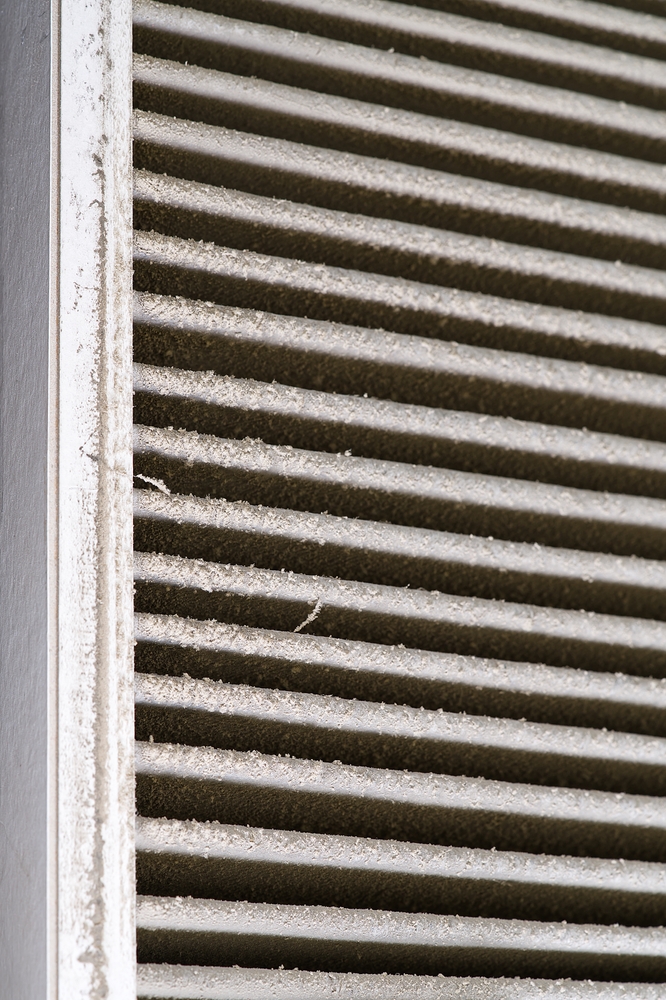
Morning sinus attacks can feel like a normal allergy problem. Around 6:00 AM, coughing, burning eyes, and constant sneezing may start before the day even begins. Air purifiers, clean bedding, and allergy pills might seem like the answer, but sometimes the source is hidden overhead. When dirty air ducts cause allergy symptoms, trapped dust and debris can circulate through ceiling vents whenever the furnace runs, sending irritating particles back into the bedroom overnight.
1. How Duct Networks Store and Recirculate Unwanted Debris
Think about your ventilation like a big closed loop. The return grilles suck air in, push it through your furnace, heat or cool it, and blow it right back into your bedroom. If nobody scrubs those metal trunk lines for five or ten years, they turn into giant trash cans for dead skin, hair, bug parts, and lint.
All that junk settles on the bottom of the ducts and forms a thick, nasty crust. Every time the heat or AC turns on, moving air rips off tiny bits of that crust and blasts them into your room. You lie there for eight hours breathing that stale mix. Your body spends the whole night fighting off invisible irritants, and by morning, your sinuses just shut down.
2. The Truth About Microscopic Bugs in Your Home Air
Dust mites can hide deep inside ductwork, feeding on shed skin cells and leaving behind allergen-filled waste. Regular house cleaning misses these hidden areas. Effective indoor airborne dust mite removal targets the duct interiors, helping clear buildup before it continues circulating through your home.
Here is what really goes down inside your air system while you rest:
- Daily Collection: Skin flakes and floor dust get sucked into return vents every time you walk by.
- Nest Setup: Microscopic bugs move into dark, undisturbed metal trunk lines and start multiplying.
- Blower Activation: The main fan fires up and blasts micro-particles straight into your bedroom.
- Direct Inhalation: You spend eight hours breathing concentrated irritants while sleeping.
3. Pet Hair and Dander Buildup Inside Your Vent Lines
If you have dogs or cats, your air ducts take a double hit. Loose hair on the floor is easy to see and clean up, but pet dander, tiny flakes of shed skin, is what actually drives your morning sinus misery. Dander is super light, sticky, and floats around in the air forever.
It flies right past cheap fiberglass furnace filters and sticks like glue to the inside walls of your supply lines. Over time, pet dander buildup in ventilation systems forms a thick layer that constantly dumps animal proteins into your room air. Even if you keep pets out of your bedroom, your central air system acts as a direct delivery pipe. It pulls dander off the couch downstairs, pushes it through the metal lines, and dumps it over your pillow while you rest.
4. Airflow Resistance and Filter Performance in Home Systems
Many homeowners assume a thicker filter means cleaner air, but a clogged system needs airflow first. Cleaning built-up dirt from the ductwork helps improve residential air filtering flow, reduces blower strain, and lets the filter catch dust without restricting circulation.
Here is why standard fixes fall short when duct lines stay filthy:
- Blocked Intake: Heavy dust buildup narrows the sheet-metal channels, choking overall airflow.
- Filter Bypass: High air pressure forces dirty air around poorly fitted filter edges.
- Engine Strain: Blower motors run hotter and longer just to force air through clogged vents.
- Constant Off-Gassing: Trapped animal dander keeps releasing irritants even with the fan off.
5. Why Basic Home Cleaning Tools Fall Short on Duct Work
Wiping down air grilles with a wet rag or sticking a shop vac hose three feet into a vent hole won’t fix deep internal buildup. Consumer tools simply don’t have the suction power or air volume needed to tear years of caked-on dirt off sheet metal walls.
Real cleaning requires heavy machinery: high-powered vacuum units that pull huge volumes of air, paired with rotating air whips that physically scrape the metal interiors clean. If buildup has spread beyond the vents, professional local HVAC sanitation is a practical choice for reaching deeper areas, including air handlers, return bays, and trunk lines. Removing that buildup can help keep the air circulating through your home cleaner and fresher.
No need to resign yourself to morning allergy flair-ups as a permanent feature of your life. The sudden onset of an allergic reaction the moment you wake up is your body’s way of indicating that the air you breathe throughout the night is dirty. Contaminated vent channels are like a constant storage of annoying pollutants, releasing these health-disturbing particles in your rooms every now and then. Cleaning these internal air channels enables you to deal with allergy triggers right at the beginning of the process, preserving your lungs and allowing for full recovery sleep.
“Stop letting filthy vents ruin your sleep. SAI Air Duct uses heavy machinery to scrub your HVAC system, removing allergens and restoring airflow. Take action today! Call us now at 224-256-0071.”
FAQs
1. What is the frequency of air duct cleaning for Glenview, IL, homes?
The recommended frequency of air duct cleaning is once every three to five years. However, homeowners with pets, recent renovation work inside the house, or people suffering from severe morning allergies will need to have their air ducts cleaned every 2 years.
2. Will cleaning duct systems help lower energy bills for Glenview, IL, properties?
Yes. When dust and debris clog your HVAC components in Glenview, IL, your heating and cooling equipment must work harder to push air through the home. Removing restrictions restores proper system efficiency and can reduce monthly operational costs.
3. What signs show that a home in Glenview, IL, needs immediate duct servicing?
Key warning signs in Glenview, IL, include visible dust puffs blowing from vents when the fan starts, dark soot-like marks around register grilles, persistent dusty smells, and waking up daily with dry throats or sinus congestion.