



Let us cut straight to basic physics. Inside your house, a heavy-duty mechanical blower forces thousands of cubic feet of conditioned air through metallic pathways every single day. Yet most homeowners treat their heating and cooling setup like a complete mystery box. You press a button on a wall, expect ice-cold air, and then groan when the monthly electric bill arrives looking bloated.
When you ignore what happens inside your ventilation lines, you force high-performance machinery to push through clogged channels. That is wasteful, inefficient, and completely unnecessary. Clearing out clogged pathways fundamentally changes the mechanics of your home energy consumption. When you evaluate air duct cleaning energy savings in Aurora households, the core mechanism comes down to eliminating physical resistance inside your thermal comfort network.
1. Friction Resistance and Indoor Air Dynamics
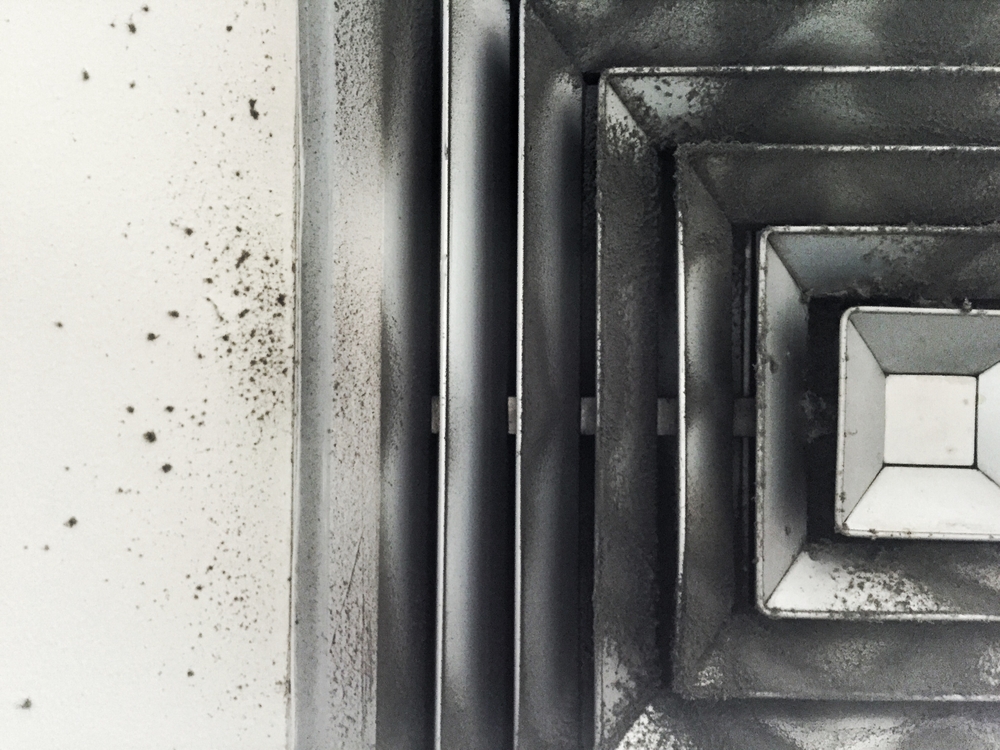
Your ventilation framework relies on balanced static pressure. The main blower fan forces air into supply lines, out through ceiling vents, and back down through return grilles. Over years of daily living, dust, pet dander, drywall powder, and hair line the inner walls of those channels.
- A layer of buildup as thin as one-sixteenth of an inch creates a rough, abrasive interior surface.
- This rough surface acts like a continuous brake on moving air, creating physical drag inside the channels.
- The blower motor responds by drawing far more electrical current while running longer to move the same volume.
By improving HVAC airflow efficiency systems, you eliminate that internal friction. Clear, unrestricted duct walls allow the motor to move target air volumes rapidly, hit your thermostat setting fast, and shut down before burning extra electricity.
2. Preventing Heat Transfer Barriers Across System Coils
Airflow speed is only half of the mechanical equation; heat exchange is the other half. Your central air conditioner relies on a cold evaporator coil to draw heat out of indoor air. Fine dust sitting inside return trunks eventually moves directly onto this cold copper coil.
- Accumulated particulate matter acts like a thick winter blanket wrapped around cold metal tubing.
- Instead of absorbing heat instantly, the insulated coil struggles to drop room temperatures effectively.
- Your compressor unit runs extended cycles trying to compensate for poor heat absorption.
By relying on certified residential duct cleaners, you stop dirty particulate matter from blanketing critical cooling components. Clean coils mean immediate heat transfer, shorter cooling cycles, and reduced electric strain on scorching summer afternoons.
3. Industrial Vacuum Extraction Versus Standard Consumer Equipment
Consumer vacuums lack the negative static pressure required to clear heavy buildup out of deep trunk lines. Standard brushes often dislodge stubborn dirt without capturing it, driving debris deeper into central branches or blowing it back out into your living room.
Professional equipment works on a completely different scale. Using a monster vac truck for cleaning benefits your home by pulling a massive volume of air under negative pressure. Heavy-duty hoses attach to your main trunk line while every individual supply register is tightly sealed.
As specialized air whips dislodge caked-on dirt inside the metal walls, high-velocity suction pulls everything straight out to an isolated holding tank outside your home. No dust escapes into your living space, and your ventilation channels are restored to clear conditions.
4. Seasonal Cycle Reductions and Lowering Monthly Bills
So how does this translate into actual savings on your utility bills? A dirty duct setup forces an air conditioner to run significantly longer per cycle just to reach your desired temperature setting on the thermostat.
When your system is restricted by heavy dust drag, it wastes a substantial portion of the electrical energy it consumes simply fighting internal system friction. Over an entire summer cooling season, those extended cycle times accumulate into massive amounts of wasted kilowatt-hours that produce zero extra comfort.
Achieving lowering summer cooling bills in Illinois that homeowners notice comes down to cutting those bloated run-times. When your cooling unit operates seven hours a day instead of ten, your electrical meter spins much slower. Less operational run-time also prevents premature wear on expensive capacitors and compressors, saving you from sudden mechanical failure.
5. Long-Term Mechanical Preservation and System Longevity
Energy savings are only part of the payoff; component preservation is the rest. When internal ventilation pathways remain clogged, thermal stress builds up inside your central air system. Blower motors running against high static pressure overheat and draw significantly higher electric current. Clogged channels also force fine dust past standard filters, coating internal electronics and damaging delicate mechanical parts over time.
Keeping internal channels clear protects sensitive system components. When air moves freely through supply and return lines, your system operates within its factory-designed pressure range. That translates to consistent performance year after year without unexpected breakdowns or loss of cooling capacity during peak heatwaves.
Maximizing residential energy efficiency is never about magic tricks or complicated formulas. It comes down to basic mechanical physics. When dust, dirt, and pet hair block your home duct network, your air conditioner burns excess electricity just to maintain baseline comfort. Removing those obstructions lowers mechanical drag, restores proper static pressure, and optimizes heat exchange across your cooling coils. A clean ventilation network ensures that every bit of electricity you pay for goes directly toward cooling your home rather than fighting internal friction. Protecting your cooling equipment from unnecessary strain keeps monthly utility charges down while keeping your indoor air moving freely all summer long.
“Ready to optimize your home cooling efficiency and stop wasting electricity on bloated power bills? Get in touch with SAI Air Duct to restore your system airflow dynamics today. Call us now at 224-256-0071 to schedule your professional service appointment!”
FAQs
1: How frequently should a residential property in Aurora, IL, undergo thorough duct cleaning?
Properties in Aurora, IL, generally benefit from a thorough duct cleaning every 3 to 5 years. However, homes with indoor pets, recent structural remodeling, or residents with severe allergies often benefit from service every 2 years.
2: Will clearing out internal ductwork in Aurora, IL, help reduce indoor dust accumulation?
Yes, removing internal dust reserves significantly reduces settled dust on furniture throughout homes in Aurora, IL. When the main blower unit engages in a residence, clear ventilation channels prevent trapped particulate matter from recirculating into your rooms.
3: Can blocked air channels cause an air conditioner to freeze up during summer in Aurora, IL?
Absolutely. Restricted airflow across the cooling coil in an Aurora, IL home starves the system of warm air, causing cold refrigerant to drop coil temperatures below freezing. Homeowners frequently experience frozen coils simply due to clogged return vents.