


Introduction
If your space feels dusty right after cleaning, or you notice lingering odors that won’t quit, your ductwork may be part of the problem. Many property owners don’t realize that duct treatment in Glenview, IL, can be a practical next step after cleaning, especially in buildings with high occupancy, renovations, pets, or recurring moisture issues. The key is knowing what “treatment” actually means, when it’s worth it, and how to do it safely.
Duct Treatment Guide: Costs, Uses & When You Need It
1) What “Duct Treatment” Really Means
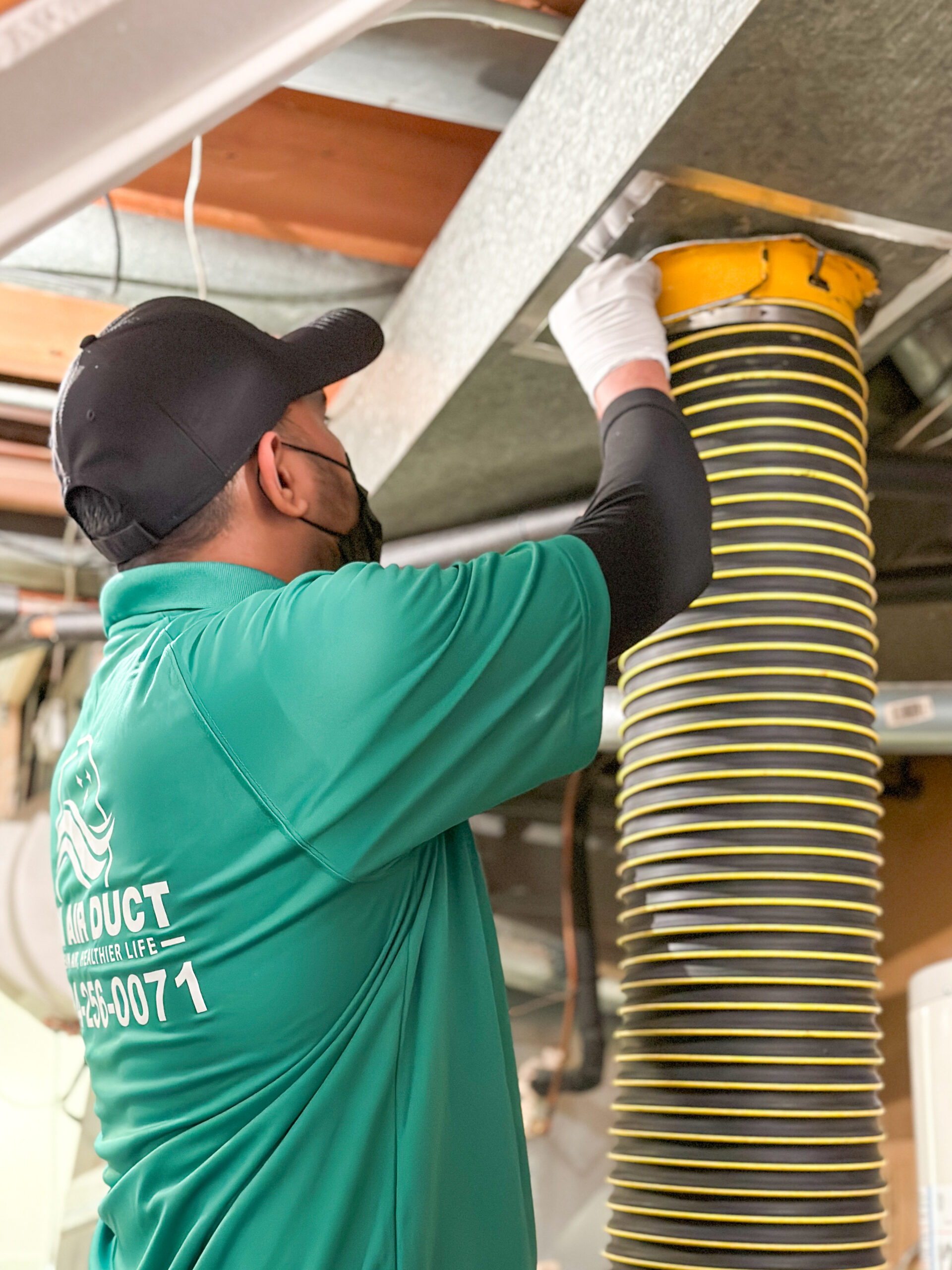
Duct treatment is an added service that targets specific issues inside the air distribution system—usually after a thorough duct cleaning. Depending on the concern, a reputable provider may recommend deodorizing, antimicrobial application, or targeted sealing for minor leaks. Done correctly, it’s not a “cover-up” for dirt; it’s a finishing step meant to address odors, microbial risk factors, or stubborn residue that cleaning alone may not fully resolve.
2) Common Signs Your Ducts May Need More Than Cleaning
People usually start looking into treatment when something keeps coming back. Watch for:
- Musty or “old house” smells that cycle on with the HVAC
- Allergy flare-ups that improve when you leave the building
- Dust is returning quickly, even with good filtration
- Past water intrusion, roof leaks, or humidifier issues
- Recent remodeling, heavy drywall dust, or smoke exposure
If any of these are persistent, treatment can be a sensible add-on—after the root cause is handled.
3) What A Safe, Professional Process Looks Like
A quality provider should explain the “why” before they spray or apply anything. Expect:
- A visual inspection (photos are even better)
- Confirmation that the ducts are actually clean first
- Product details: what it is, where it’s applied, and why it’s appropriate
- Ventilation and drying guidance
- Clear limitations (no honest company promises to “cure allergies”)
If a contractor can’t name the product or can’t explain where it goes, that’s a red flag.
4) How Duct Treatment Fits Into A Full Indoor Air Plan
Duct treatment is just one piece of the overall picture – to really see some improvements, you need to think about pairing it with a few other key things:
- The right filter, and actually remembering to change it on schedule
- Regular coil and blower maintenance – it’s not as exciting as duct treatment, but it’s just as important.
- Managing humidity levels – especially down in your basement or crawlspace
- And of course, tackling the real source of problems – like leaks, poor air pressure, and even pests.
For some places, commercial dryer vent cleaning in Glenview, IL, can be a smart thing to do, too. I mean, if your vents are clogged up with lint, it can really mess with the airflow, making your space feel uncomfortable, even a little bit unsafe – not to mention costing you money on your energy bills.
5) Nearby Service Options And When To Schedule
If you manage multiple sites, consistency matters. Some teams schedule treatment after seasonal maintenance or after major tenant turnover. For businesses outside Glenview, it may be helpful to compare availability for duct treatment services in Palatine, IL, and nearby areas so your maintenance calendar stays predictable.
Duct treatment can be a valuable, targeted solution—when it’s based on real conditions, paired with proper cleaning, and performed with clear product transparency. If you’re dealing with recurring odors, dust, or comfort complaints, the best next step is a straightforward inspection and an honest recommendation.
Conclusion
Want a clear, no-pressure recommendation for your home or commercial property? Call Sai Air Duct at 224-256-0071 to schedule an inspection and get a practical plan that fits your space.
FAQs
1) What is duct treatment in Glenview, IL, and is it the same as duct cleaning?
No. Duct cleaning removes dust and debris using agitation and vacuum equipment. Duct treatment in Glenview, IL, is an additional step used when there’s a specific goal, like odor reduction or addressing microbial risk factors, after the system is already cleaned.
2) Is duct treatment in Glenview, IL, safe for kids, pets, and people with allergies?
It can be, but it depends on the product, the application method, and whether the underlying issue (like moisture) is fixed. Ask the provider what’s being used, where it’s applied, and what ventilation or drying time is recommended. If someone can’t answer those basics, don’t proceed.
3) How do I know if I really need duct treatment services in Palatine, IL, or if it’s just upselling?
A trustworthy company will show you evidence (photos, inspection notes) and explain the exact problem being solved. Treatment should never replace cleaning, and it shouldn’t be pitched as a miracle fix for health conditions. If the recommendation is vague, like “everyone needs it,” that’s a sign to get a second opinion.
4) How often should ducts be treated?
There’s no universal schedule. Many properties never need duct treatment services in Palatine, IL, at all. It’s usually considered after events like water issues, smoke exposure, long-term odor problems, or repeated contamination concerns. The right frequency is based on inspection findings and whether the source problem has been corrected.
